Enquire about it with your health provider and include it in your annual health screening to seek early intervention. Often people wait until it is too late and seek an audiologist’s support which can be avoided if you proactively choose to follow these simple steps alongside annual check-ups. It is natural that with ageing, hearing capacity may reduce but with early intervention and hearing aids, the outcomes are excellent. If you have an elderly individual at home, getting their hearing checked up is of paramount importance. Our hearing system is not just limited to the soft resilient ears – it has complex nerve connections to the brain and studies say that untreated hearing loss can lead to cognitive decline and social isolation. There is also the famous phrase, ‘Hearing health is brain health’ to evidence this. So, take action today and visit an audiologist to get your hearing checked!
What about children born with hearing loss?
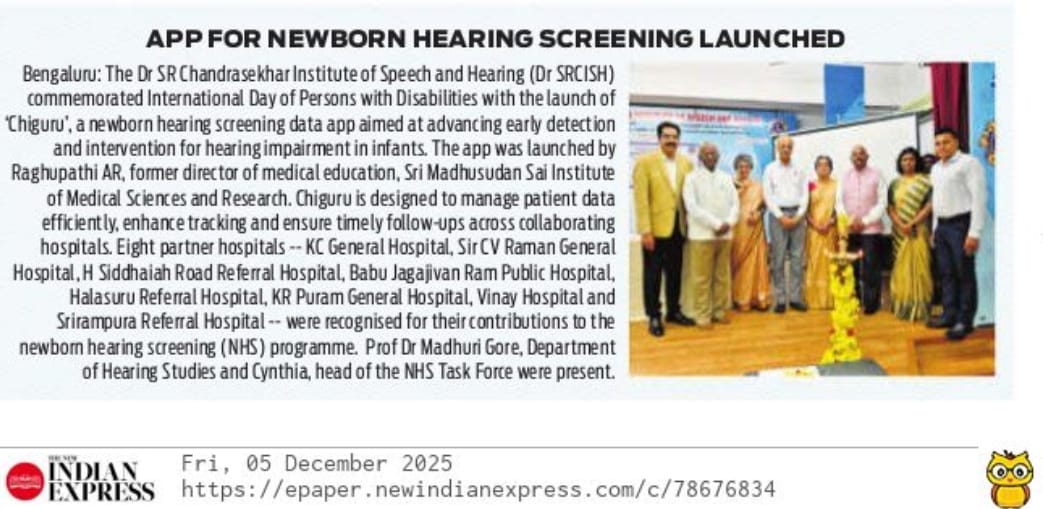
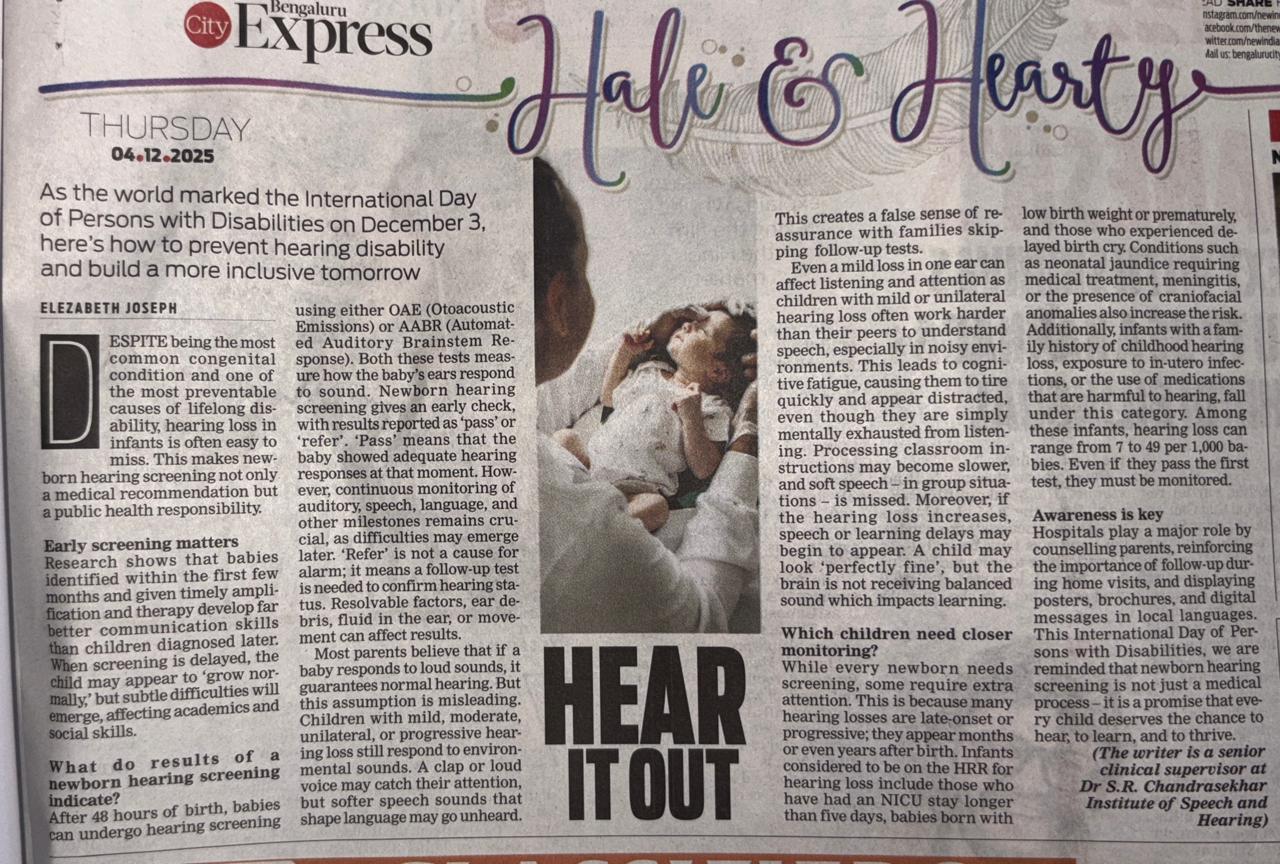
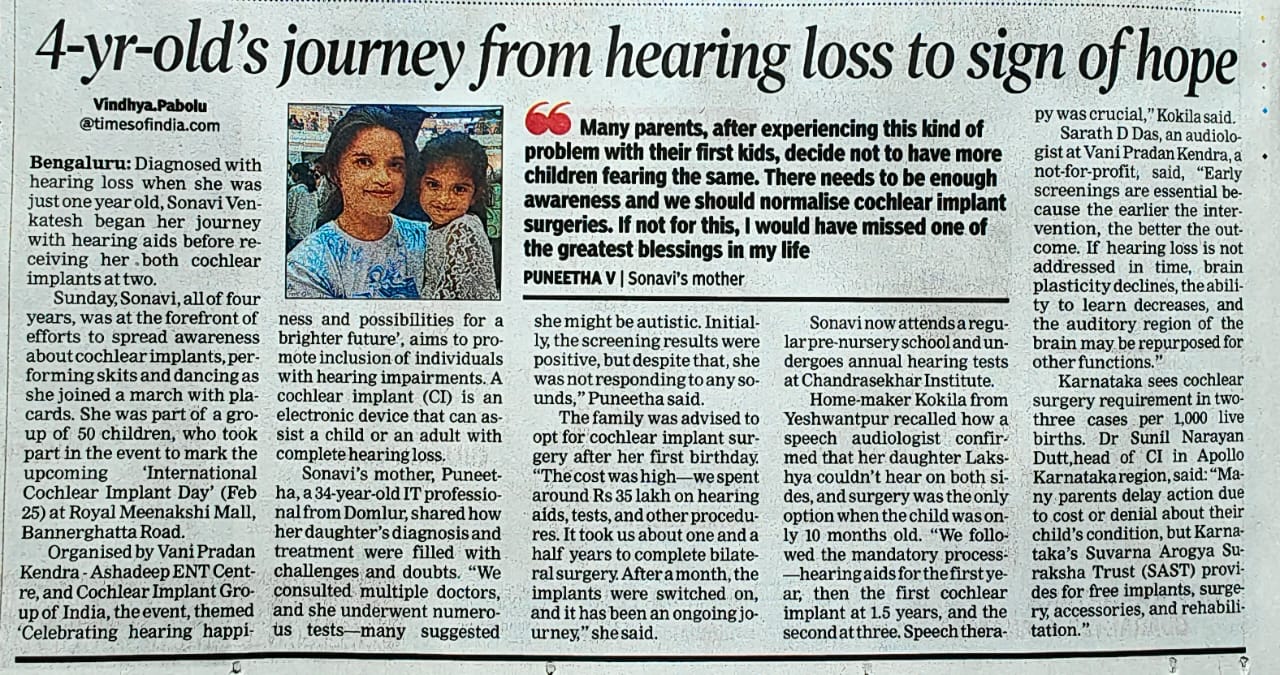
As per a 2024 study, it is estimated that for every 1,000 newborns, five are born with permanent hearing loss. This unfortunately is not preventable. But solutions are available and acting fast is the key. Hearing opens the world of sound to the newborn, from the loving voice of the mother to the chaos of the traffic outside the home, babies stay connected to the environment and learn how to make sounds and eventually speak. The brain maximally learns skills, including speech and language up to three years of age. The most potent period is up to one year of age. So, intervention for hearing loss should be within this age. That is where newborn hearing screening comes into the picture. This will help in identifying whether a newborn needs immediate intervention or not. Several countries have the newborn hearing screening, but in India, some states have implemented this while others are striving towards it. The Joint Committee on Infant Hearing, a global committee that works towards identifying, treating, and monitoring infants with hearing loss recommends hearing screening by one month of age, audiological diagnosis by two months of age, and enrolment in early intervention by three months of age. Intervention can be hearing aids or cochlear implants, which are successful. With hearing aids or cochlear implants, at an early age combined with auditory training and speech therapy, the child can attend mainstream schooling and have a successful life comparable to their peers. Unfortunately, awareness on this is less despite the efforts of several government and non-government organisations.
How can I contribute to change?
Advocacy is key. Advocate for newborn hearing screening in every situation that warrants it. It is as important as undergoing vaccinations. Urge the policymakers to schedule it alongside vaccinations and vision examinations for newborns. This will improve the detection rates and invariably contribute to more infants receiving the intervention and a better chance of having a typical childhood. Remember their ears might be tiny but they matter a lot!